
World Mental Health Day is a reminder that our mental health is just as important as our physical health, and that sometimes we all need a little extra support.
At Dovehaven, we want our colleagues across all our care homes and services to know they are not alone. Supporting mental health and wellbeing in the workplace is an important part of creating a positive, supportive and inclusive working environment across our care homes in the North West.
Supporting Our Colleagues Mental Health
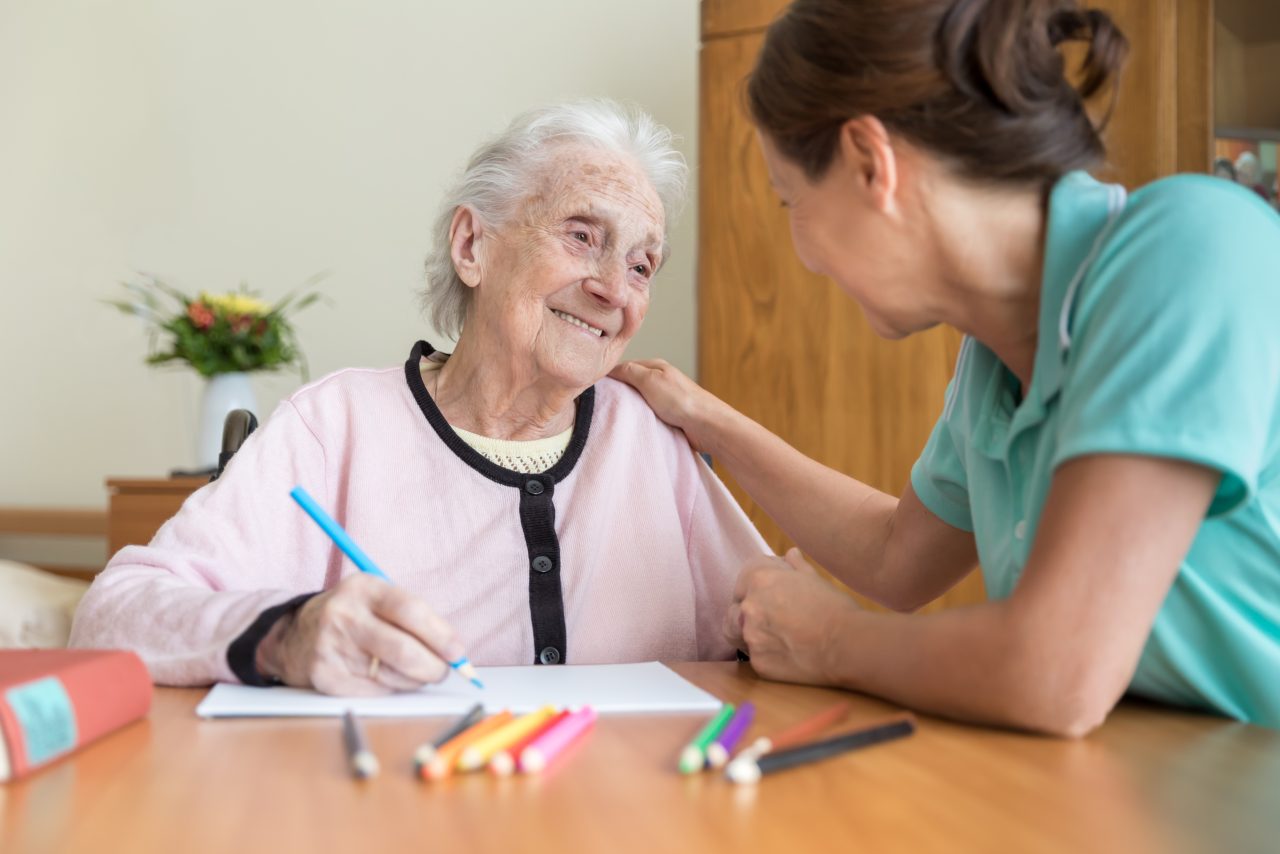
Every Dovehaven home and service has a dedicated trained Mental Health First Aider. They are there to listen, offer support and help colleagues access the right mental health support services when they need them most.
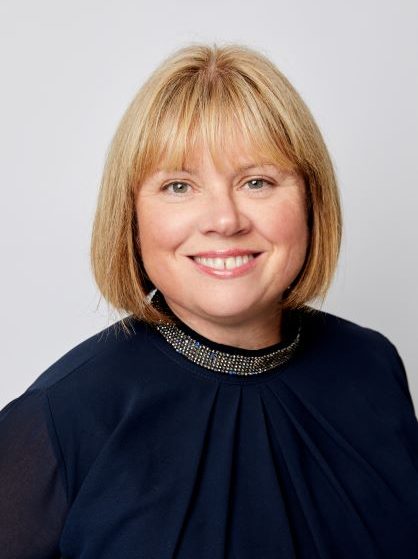
Amy, Dovehaven Mental Health First Aider, says: “I decided to become a mental health first aider because I believe talking is the key to better mental and emotional health and helps build stronger relationships within the workplace. Having suffered over the years with my own mental health, the good, the bad, the ugly, this is something I feel strongly about supporting within my work environment.”
We also have a dedicated internal crisis support email, monitored by our Mental Health First Aiders. When the email isn't being monitored, colleagues are sign posted to trusted sources of support, including Mind, Samaritans, the NHS and other specialist mental health organisations.
Our colleagues can also access dedicated support through The Care Workers Charity, which provides practical and emotional support for people working in the social care sector.
Mental Health Support at Dovehaven
We know that working in social care is a rewarding career, but it can also bring challenges. That's why we have invested in a range of initiatives that support employee wellbeing and mental health, including a monthly wellbeing committee, Mental Health First Aiders, a monitored crisis support email and other internal wellbeing programmes.
By developing a culture where colleagues feel supported, we aim to ensure everyone has easy access to mental health resources and workplace wellbeing support.
Whether a colleague needs someone to talk to, advice, or help finding further support, they know there is always somewhere to turn when they need it most.
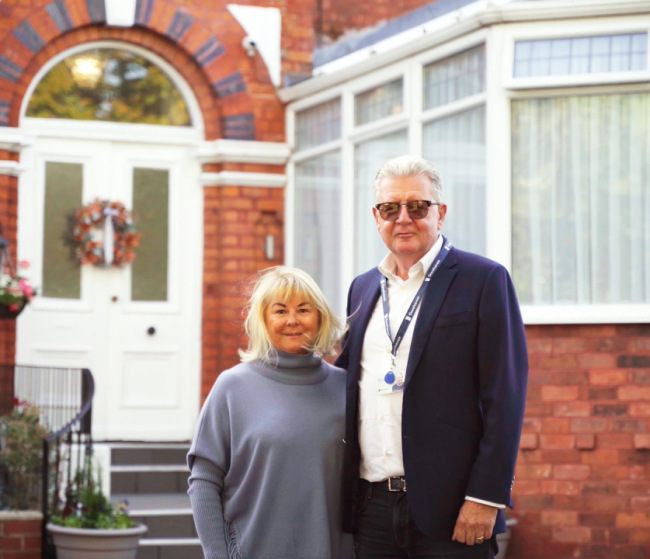
Julia Cliffe, Health & Safety coordinator, says: "At Dovehaven, we believe that caring for our residents starts with caring for the people who support them every day. Our colleagues are the heart of everything we do, which is why we are committed to creating a workplace where everyone feels valued, supported and able to access help when they need it most. Through initiatives including Mental Health First Aiders, counselling support, wellbeing committees and occupational health services, we are building a culture where kindness, compassion and understanding are woven into everyday life. We know that life can bring challenges, but we want every member of the Dovehaven family to know they never have to face them alone."
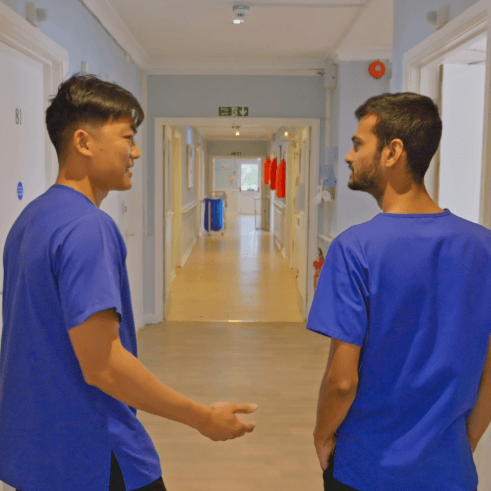
As a care organisation, looking after people is at the heart of what we do. That applies not only to the residents we care for, but also to the colleagues who provide that care every day. This World Mental Health Day, we're encouraging everyone across Dovehaven to take a moment to look after them selves, check in with one another and remember that it's okay to ask for support.
At Dovehaven, we believe supportive workplace cultures are built through openness, consistency and a commitment to continuous improvement. World Mental Health Day is an important reminder of that responsibility, not just for one day, but throughout the year. As employers, we have a responsibility to build environments where people can thrive, not simply cope. Building healthier workplaces is about more than protecting employee wellbeing. It is about creating stronger teams, supporting sustainable care careers in the North West, improving staff retention in social care and ultimately delivering better outcomes for the people we support everyday.
Careers at Dovehaven
At Dovehaven, we are proud of the compassionate people who make our homes what they are. We know care is more than a job; it is about kindness, connection and making a difference every day.
If caring is part of who you are, you'll feel at home here. Explore our latest care jobs in the North West and discover how a career with Dovehaven could help you make a real difference every day.
October 10, 2026
Filter:
All
Life at our homes
Help & Advice
Our Team
September 29, 2026
Lucie Drakeford

.jpg)
September 23, 2026
Krystyna Mitchell
.png)
September 23, 2026
Daisy Edmondson

September 16, 2026
Daisy Edmondson

.png)
September 10, 2026
Lucie Drakeford
September 7, 2026
Daisy Edmondson

September 3, 2026
Krystyna Mitchell
September 3, 2026
Lucie Drakeford
August 28, 2026
Lucie Drakeford
August 27, 2026
Daisy Edmondson

August 24, 2026
Lucie Drakeford
August 6, 2026
Lucie Drakeford
August 5, 2026
Lucie Drakeford

August 4, 2026
Daisy Edmondson

July 31, 2026
Lucie Drakeford
July 30, 2026
Lucie Drakeford
July 28, 2026
Lucie Drakeford
July 27, 2026
Lucie Drakeford
July 22, 2026
Lucie Drakeford
July 21, 2026
Daisy Edmondson
July 1, 2026
Lucie Drakeford
June 18, 2026
Krystyna Mitchell
June 15, 2026
Lucie Drakeford
June 9, 2026
Lucie Drakeford

May 14, 2026
Lisa Aspley
.jpg)
May 11, 2026
Lucie Drakeford
.png)
May 5, 2026
Lucie Drakeford

April 20, 2026
Lucie Drakeford
April 15, 2026
Lucie Drakeford

April 3, 2026
Daisy Edmondson
March 26, 2026
Lucie Drakeford
March 20, 2026
Jack Reynolds

March 8, 2026
Jenny Davies

February 17, 2026
Lucie Drakeford
February 16, 2026
Lucie Drakeford
.png)
February 13, 2026
Emily O'Keefe
February 4, 2026
Lucie Drakeford
January 29, 2026
Lucie Drakeford

January 23, 2026
Lucie Drakeford
January 16, 2026
Krystyna Mitchell

January 9, 2026
Lucie Drakeford
December 8, 2025
Krystyna Mitchell and Lucie Drakeford
November 28, 2025
Lucie Drakeford


November 20, 2025
Lucie Drakeford

August 1, 2025
Lucie Drakeford

.jpg)



April 1, 2024
Dovehaven Care Homes

.png)